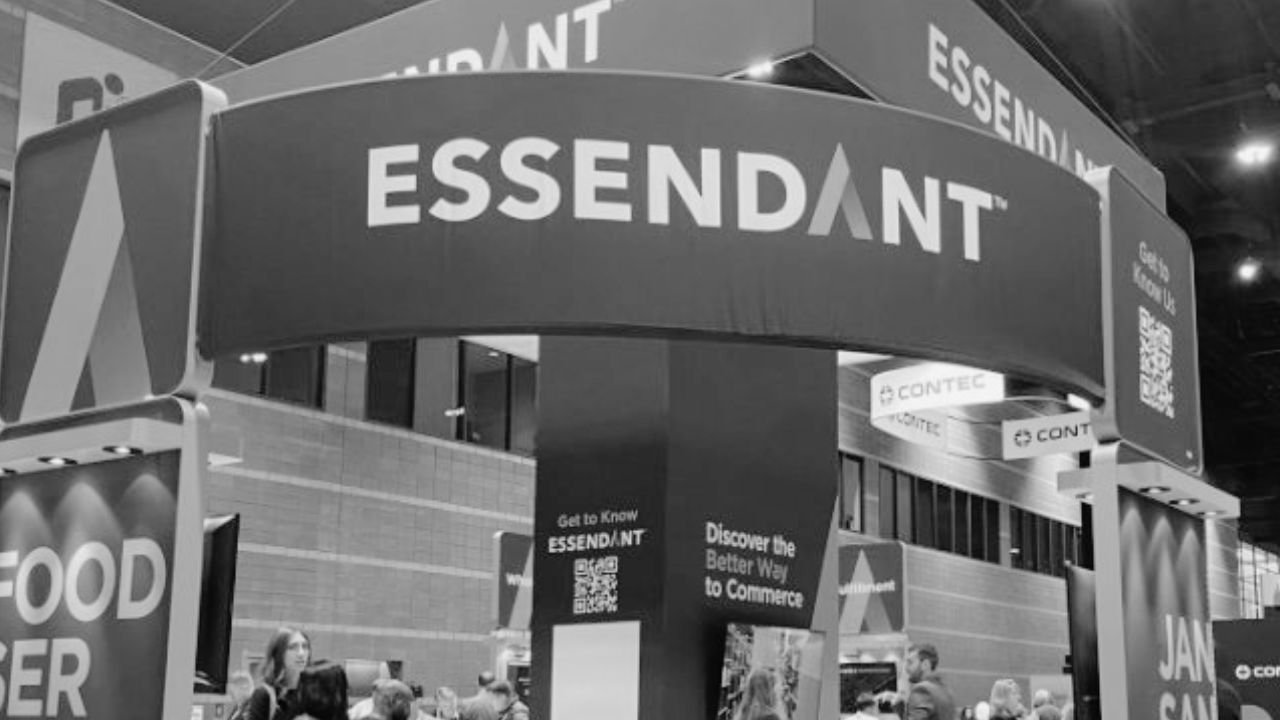
If you’ve heard that Essendant is shutting down and you’re trying to figure out what that means for you — whether you’re a dealer, a supplier, or an employee — you’re not alone. The news has been circulating, and honestly, the headlines haven’t made it easy to understand what’s really going on.
The short answer is: it’s more complicated than a simple yes or no. Essendant is not going entirely out of business. But something real and significant is happening, and if you work with them, it absolutely affects you.
This article breaks down what was actually announced, what the layoffs and closures look like on the ground, who owns the company, and what you should think about if this change touches your business.
Essendant Is Not Closing — But Something Big Is Changing
Let’s clear this up first: Essendant has not filed for bankruptcy, and no source has confirmed a full company shutdown. What has been reported is a wind-down of its traditional office products business — specifically, a pull-back from the independent dealer channel it has served for years.
Think of it like a store closing one of its major departments. The store is still open, but a large section has been cleared out. That section — traditional office products distributed through independent dealers — is what Essendant is stepping away from.
According to reporting from FLXpoint and Distribution Strategy Group, Essendant notified customers that it was winding down its office products operations, not shutting down the entire company. The CEO, as reported by iDealerCentral, described this as a deliberate strategic decision with a transition period built in for dealers.
So yes, something meaningful is ending. But framing it as “Essendant is going out of business” isn’t accurate based on what’s been reported.
What Essendant Actually Announced
In early October 2025, Essendant notified customers that it would wind down its traditional office products operations. The company said it would no longer serve the independent dealer channel in the way it historically had.
According to Distribution Strategy Group, the company’s focus is shifting toward faster-growing categories: janitorial supplies, sanitation products, foodservice, and technology. These categories are where the growth is right now, and it appears Essendant’s ownership wants the business pointed in that direction.
It’s worth noting that some office products may still remain in the assortment. FLXpoint reported that office products might not disappear entirely, but the independent dealer model — the way thousands of small dealers relied on Essendant for restocking — is effectively ending.
This is a strategic reorientation, not a liquidation. But for the dealers and suppliers who built their supply chains around Essendant’s office products distribution, the practical impact is huge either way.
The Layoffs and Facility Closures Are Real
Even though this isn’t a full company collapse, the operational changes are significant — and for the people working at affected sites, the impact is just as real.
Layoffs have been reported at facilities in Greene County, New York, Charlotte, North Carolina, and Twinsburg, Ohio. These aren’t small adjustments. According to MSN reporting, the Twinsburg facility is closing with nearly 100 positions being eliminated. The Charlotte distribution site, as reported by the Charlotte Observer, is also closing.
These cuts are tied directly to the office products wind-down. When you stop serving a major channel, the warehouses, logistics staff, and distribution infrastructure that supported it don’t have a role anymore. That’s what’s happening here.
For employees at those locations, it doesn’t much matter that the parent company is still technically operating. The jobs are gone. The Recycler reported that site closures and redundancies followed quickly after the channel exit announcement, which lines up with what you’d expect from a major business line being removed.
If you or someone you know works at one of these facilities, it’s worth connecting with your HR team early to understand severance options, timelines, and any transition support that may be available.
Who Owns Essendant and Why That Matters
Here’s a piece of context that helps explain a lot: Essendant is owned by Sycamore Partners, a private equity firm that also owns Staples. This is why you’ll sometimes see Essendant described as a Staples subsidiary in reporting — including the MSN coverage of the Twinsburg layoffs.
When a private equity firm owns multiple companies in the same general space, strategic decisions often reflect portfolio-level priorities. The decision to exit traditional office products distribution likely wasn’t made because Essendant was failing on its own. It was probably made because ownership sees better returns in other categories and wants the business focused there.
That doesn’t make the transition easier for the people affected. But it does explain why this move can happen even without a bankruptcy or financial collapse. The company isn’t necessarily drowning — it’s being steered in a different direction by the people who own it.
It also reflects a broader pressure across the industry. Legacy office-products distribution has been squeezed for years by e-commerce, changing workplace habits, and shifting buyer behavior. Janitorial, foodservice, and technology distribution are where the industry sees more room to grow.
What This Means for Independent Office Supply Dealers
If you’re an independent office supply dealer, this change hits close to home. Essendant has been one of the major wholesale distributors for this channel for a long time. Losing that relationship doesn’t just mean finding a new vendor — it means rebuilding parts of your supply chain from the ground up.
Think of it like suddenly losing the main wholesaler you’ve relied on for routine restocking. The products don’t disappear from the market, but your path to getting them just changed significantly.
Here’s what you should be thinking about right now:
- Identify your Essendant-dependent SKUs. Know exactly which products you’ve been sourcing through them so you can prioritize finding alternatives.
- Contact other distributors now. Don’t wait until the transition window closes. Reach out to other wholesale distributors and start conversations about terms and availability.
- Talk to your customers. If any of your customers rely on specific products you source through Essendant, give them a heads-up early. It builds trust and gives you time to find solutions together.
- Review any open orders or contracts. Make sure you understand what commitments are still in place during the transition period and when they’ll be affected.
The transition period that Essendant reportedly communicated to dealers gives some breathing room, but it won’t last forever. The earlier you act, the less disruption you’ll face.
Is This Part of a Bigger Industry Shift?
Yes, and it’s worth understanding that context. Essendant’s move isn’t happening in a vacuum. The traditional office supply distribution model has been under pressure for years.
Remote and hybrid work changed what offices buy. E-commerce made it easier for businesses to order directly. Margins on traditional office products tightened. Meanwhile, categories like janitorial supplies, sanitation, foodservice, and technology peripherals have held up better and shown more growth.
Essendant’s pivot reflects those realities. Other distributors in this space are watching and adapting too. For independent dealers, this may be the moment to think seriously about what your product mix looks like going forward and whether you need to evolve alongside the market.
For broader context on how business restructuring and market shifts affect companies like this, Step Business Voice covers these kinds of developments in plain language for business owners and professionals navigating change.
What You Should Take Away From All This
Essendant is not going entirely out of business. There’s no reported bankruptcy, and the company as a whole is not shutting down. What is happening — and what’s very real — is the end of its traditional office products distribution model and its exit from the independent dealer channel.
Facilities are closing. Jobs are being cut. And for dealers who built their supply chains around Essendant, this is a genuine disruption that requires a real response.
The company is owned by Sycamore Partners, which also owns Staples, and this strategic shift likely reflects ownership priorities as much as market conditions. Essendant is moving toward janitorial, sanitation, foodservice, and technology — and stepping back from the model that served independent dealers for years.
If this affects you, the best thing you can do is move quickly, ask questions early, and start building your backup plan now. The transition window gives you some time — but not unlimited time. Use it well.
Also Read: